9 May 2024 • 5 minute read
Harnessing Energy from Rooftop Solar Panels
Rooftop Solar Panels what are they?
Rooftop solar panels are photovoltaic (PV) systems installed on building rooftops to capture sunlight and convert it into electricity. These solar panels consist of solar cells that harness the sun’s energy to generate power for residential, commercial, or industrial use. Rooftop solar panels are a sustainable and renewable energy solution, contributing to reduced reliance on traditional energy sources and minimizing environmental impact. They play a crucial role in decentralized energy production and are a key component of the broader effort to transition towards cleaner and more sustainable energy practices.
What are the benefits to landlords?
While rooftop solar is not a new technology – it’s been used for power generation and commercialised for many years now – the capital cost of installing the equipment has fallen and the lifecycle of the equipment has increased which has made the technology far more accessible.
Installing rooftop solar equipment on buildings has the following benefits:
- Volatility in energy prices – increased energy costs and price volatility are impacting both building owners and occupiers. Onsite generation can mitigate exposure to these challenges. A landlord can sell the generated power to its occupier(s), this would give the occupier certainty in relation to its energy costs, and the rates are likely to be lower than purchasing from the electricity network.
- Sustainability and net zero – rooftop solar could play a significant role in landlords’ ESG strategies. Having a more sustainable building will improve energy credentials and also make the building more desirable to potential occupiers.
- Increase property value – green initiatives and energy efficient methods like solar panels are becoming increasingly popular as the world tries to become more environmentally friendly in the hope of beating climate change. As a result, properties with solar panels are becoming more in demand which can have a knock on effect on the property’s value. Not only could a property be worth more with solar panels, it may also sell quicker and easier as a result.
What is the structure?
The way that any solar equipment should be installed and documented will depend on the circumstances. Putting solar panels on a new building as you develop is relatively straightforward, but most landlords have to retrofit solar panels onto existing buildings. When retrofitting in this way, consideration will need to be given to the following:
- Rights to the roof space – is the roof within the landlord’s control or has it been included in a lease to a tenant?
- If the building is tenanted, but the roof is not included within a lease, the landlord may be able to install the solar panels without the tenant’s consent, but further consideration will need to be given to the terms of the lease. Also, a landlord should engage with the tenant(s) of the building in any event, as the tenant(s) should benefit from the cheaper energy which will be produced.
- If a building has been leased as a whole to a tenant, a landlord may be approached by a tenant who wants to install solar panels themself. Even if a landlord is happy for a tenant to do this, a licence for alterations will need to be entered into which sets out the tenant’s obligations to carry out the works carefully and without causing any damage or nuisance. The licence will also need to deal with what will happen to the panels at the end of the term of the lease. Consideration will also need to be given to the remaining term of the tenant’s lease as solar panels have a life of at least 20 30 years.
- Third party providers – if the landlord does not want to incur the capital cost of buying and installing solar panels itself, it could enter into a power purchase agreement (PPA) with a specialist solar company. The landlord would grant a lease of its rooftop or the airspace above its rooftop to the solar company, who would then install and maintain the solar panels.
The landlord would get discounted electricity over the lifetime of the PPA, after which the landlord would usually inherit the solar panels. The advantage of this is that the landlord would not need to invest capital, but it would mean adding a third party to any negotiations with tenants.
Practical issues
There are a few practical things to consider in relation to solar panels:
- Do you need planning consent? In many areas rooftop solar are covered by permitted development rights, but this would need to be considered in each case.
- Who will pay for maintenance? As long as they are kept clean, the cost of maintaining solar panels seems to be fairly low, but if a lease of the airspace/roof isn’t put in place with a third‑party provider, you should consider whether it is possible to recover any costs from any tenants of the building through the service charge.
- Will works to the roof invalidate any warranties or guarantees from contractors? This will need to be considered if the building is less than 12 years old.
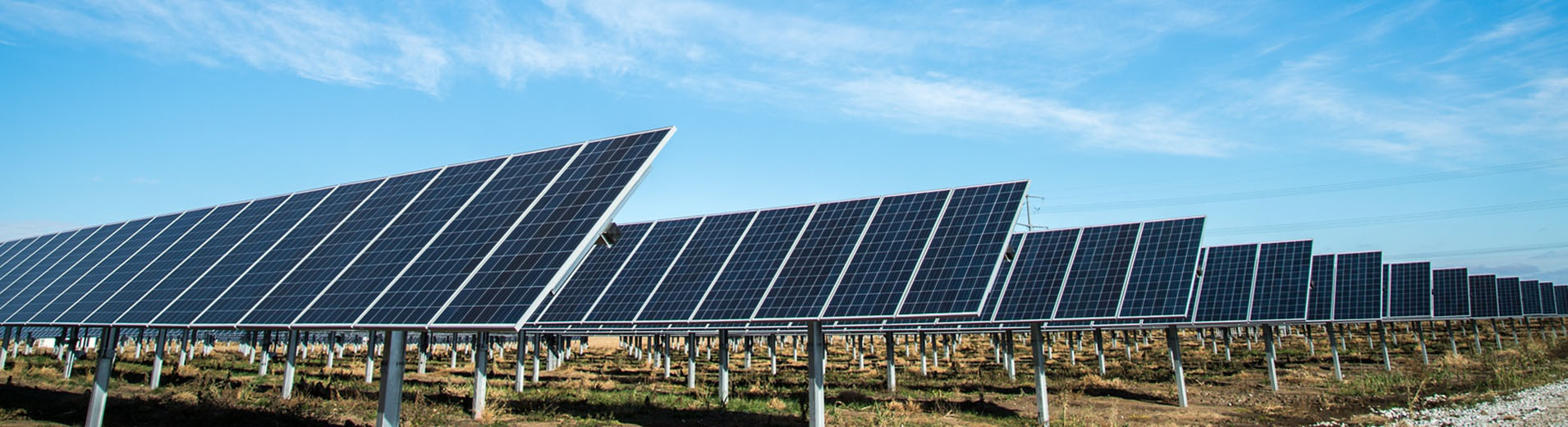
Roofs are not the only places that commercial solar panels may be installed, solar array can also be installed at ground level or on canopies over existing car parks. An array of solar panels at ground level is likely to require planning permission.
We are available to answer any questions that you may have on rooftop solar panels.