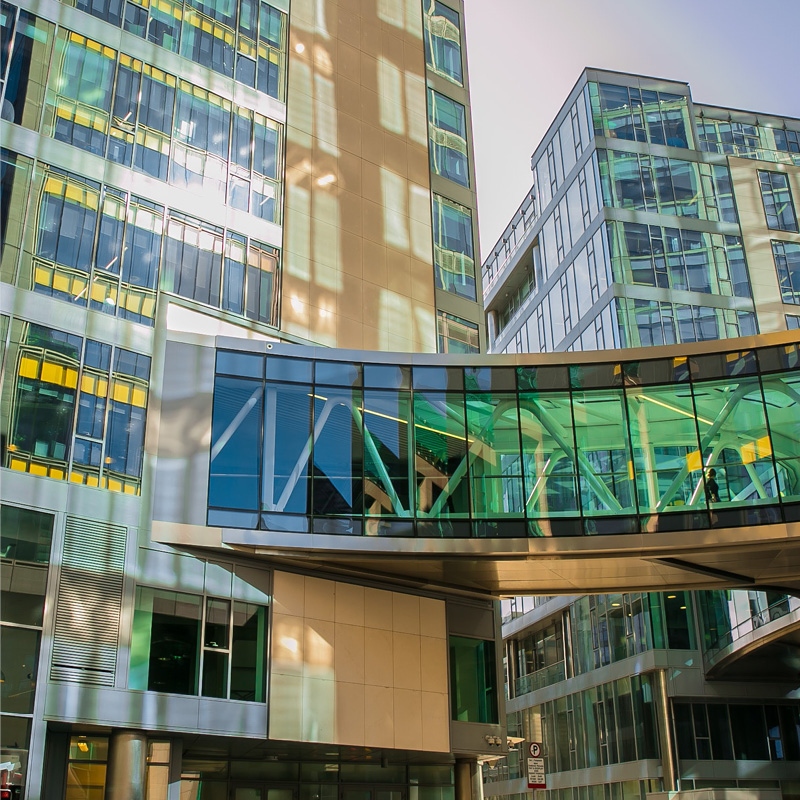
Sustainability + Real Estate. New and complex laws intended to increase the sustainability, climate resilience, and efficiency of commercial and residential buildings are rapidly emerging across the US and worldwide. While some laws have required the disclosure of energy and water use in buildings for years, numerous state and local jurisdictions are now instituting “building performance ” laws that require building energy use reductions and carbon emissions caps, together with penalties for failing to meet these new standards. DLA Piper helps commercial real estate owners and property managers understand and take proactive steps to meet these requirements in ways that support sustainability initiatives while avoiding unexpected financial burdens.
Regulatory + Business Focus. Regulatory risks continue to be a primary concern for the real estate sector. Net zero building ordinances and codes, green construction codes and building certifications, and real estate reporting, all make sustainability a crucial piece of your overall business strategy. That’s why we deliver tailored sustainability strategies to proactively identify and mitigate regulatory and business risks without losing sight of your commercial objectives.
Key sustainability issues in the Real Estate sector include:
Green buildings and leases: With the built environment reportedly responsible for over 40 percent of global greenhouse gas emissions, many builders and developers have been working closely with governments as they strive to achieve emissions targets under the Paris Agreement on climate change. Energy efficient buildings are the tip of the iceberg; the real estate market is also responding to demand for green homes and commercial buildings that feature water-saving and greywater recycling technology, upgraded insulation and a renewable energy supply. Real estate investors and owners have developed green leases that build in sustainability features as legally binding contractual conditions, such as biodiversity protection targets for contractors, retrofitting requirements for landlords and energy usage limits for occupiers.
Green financing and impact investment: Innovative green financing mechanisms have unlocked investment in sustainable real estate. Certain real estate investors are seeking more than economic returns; they also desire to invest in projects and properties that will have a positive social impact (eg affordable housing; solar projects, wind farms). One challenge for these so-called social impact companies is attracting capital by demonstrating sustainability despite today's competing sustainability standards and ratings systems that often fail to capture real performance. Developing sustainability due diligence tools can help to identify risks and clear the path for sustainable investment.
Increased information, reporting and disclosure requirements: By harnessing new data tools and technologies, the real estate sector has been improving on both internal and external reporting against sustainability and sustainability standards. Many jurisdictions impose mandatory sustainability disclosure requirements, such as the EU's Non-Financial Reporting Directive. Leading businesses also participate in voluntary reporting programs, such as the Leadership in Energy and Environmental Design (LEED) rating system, the Energy Star rating system and Global Reporting Initiative standards. The challenge is in navigating these at times competing reporting systems and keeping up with evolving standards and expectations.
Towards a circular economy in the built environment: A circular economy aims to gradually decouple growth from the consumption of finite resources, rethinking materials sourcing, energy use, energy supply and waste management at all stages of the business life cycle and across the supply chain. Leaders in real estate have applied circular economy principles to save costs while embedding sustainability into their business strategy. Successful real estate businesses have developed smart circular designs which reuse materials or existing structures to create resource efficiencies and minimize waste.
Climate change and environmental planning: Participants in the real estate sector are already well aware that property values are vulnerable to the physical impacts of climate change. Sea-level rise, drought, and heat stress, for example, increase risks to entire metropolitan areas – not only to individual real properties and locations. In some cases, environmental planning laws lag behind the modelling on likely climate scenarios, and developers and investors must take the initiative to prepare for impacts and climate-proof their investments.
Regenerative solutions and community benefits: Real estate projects that fail to engage with local communities risk damaging their reputations. Some real estate companies have built success by ensuring their real estate developments benefit the community – for example, through community revitalization, sensitivity to access to transit, and regenerative solutions.
To discuss the implications of these issues for your business, please contact our sustainability leaders.