11 November 2025
Key Takeaways from the 7th Annual Asia-Pacific Fund Finance Symposium
The 7th Annual Asia-Pacific Fund Finance Symposium was held in Hong Kong on 6 November 2025. With around 470 participants attending from across the GP, LP, financier and advisory community, the event provided valuable opportunities for networking and knowledge sharing among market participants, reinforcing the Asia-Pacific region’s position as a dynamic and evolving hub for fund finance. Somdatta Basu, Head of Fund Finance APAC at ING Bank notes that "it was great to see another year of strong turnout at the APAC FFA and the WFF luncheon, with insightful discussions on innovative fund financing solutions being provided to GPs and LPs through NAVs, hybrids and back leverage, as well as popular fundraising trends such as SMAs."
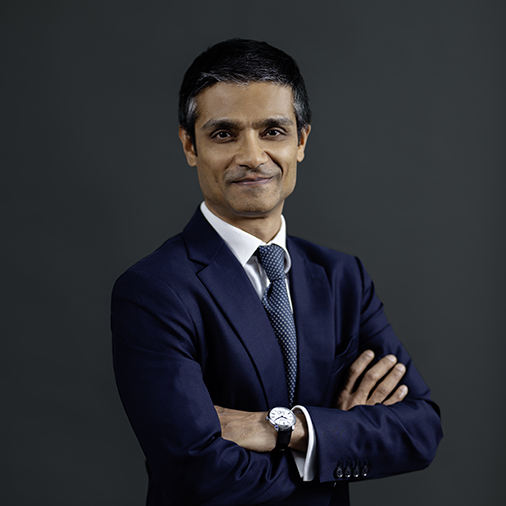
DLA Piper was a gold sponsor, with Singapore Partner Soumitro Mukerji as one of the panel moderators. Below are the key takeaways from the symposium.
2025 Overview: Market Stabilization and Regional Growth
The Asia-Pacific fund finance market is showing signs of stabilization after a period of "sluggish" fundraising and exits, with Hong Kong highlighted as "regaining its mojo". Panelists highlighted several large facilities supporting local and regional sponsors that were completed this year, with activity tapering off in April/May 2025 due to geopolitical factors. A wave of refinancing deals from 2022/2023 are expected, and fundraising should improve as the year progresses. While fundraising and exits continue to remain below historic peaks, there is cautious optimism, especially in markets such as India, Japan, and Australia. The APAC region is characterized by a patchwork of local trends. Singapore is emerging as a hub for fund finance innovation, driven by government-backed blended finance initiatives and a robust regulatory framework.
Pricing has moderated, and there is increasing focus on "domestic champions" to avoid trade risks. Hybrid solutions - including continuation funds, net asset value (NAV) facilities, and separately managed accounts (SMAs) (including high-net-worth individuals (HNWIs) and family offices) - are gaining traction. GPs are also seeking more financing solutions to meet higher commitment requirements and succession planning needs.
Key challenges include market fragmentation, regulatory complexity, and the lack of specialized talent. Opportunities lie in the continued growth of private credit, the rise of evergreen and continuation funds, and the increasing participation of HNWIs and family offices.
The Rise of HNWIs and Family Offices as Investors
HNWIs and family offices are playing a larger role as investors in private assets, and this trend is likely to continue. Due diligence on HNWIs remains challenging, with methodologies often assigning low/nil ratings. However, their growing importance is prompting more flexible approaches from the market.
The Growth of Regional Fund Domiciles
Panelists noted the continuing trend of fund "onshoring" and the growth of regional fund domiciles and fund structures such as VCCs in Singapore, GIFT City structures in India, and the new ILPA in Japan. This trend is likely to continue. In an audience poll, more than half the audience were of the view that traditional fund domiciles such as Cayman Islands, will continue to lose ground to newer fund domiciles. International investors and financiers are comfortable with these newer fund structures, and this should support deal activity in these markets.
Frank Wu, Head of Private Market Funds at DBS Bank, observes that "Singapore has been establishing itself as a long-term hub for private capital in Asia - driven by government-led initiatives on innovation in areas such as private credit and blended finance, and supported by its VCC framework that reinforces its position as a stable and forward-looking financial center for fund structuring and management".
A sector-focused approach to fund-raising is likely to continue to be supported by market data suggesting that sector-focused funds targeting specific industries have significantly outperformed the broader private markets in 2024. This comes alongside a broader consolidation play in the private capital industry, where specialization through a sector or country focus could be a strategy for mid-sized and smaller firms to differentiate themselves and compete for investor capital with larger funds.
The markets that were highlighted as being most active included Japan, India, and Australia. Japan, in particular, was noted for its record-breaking M&A activity, strong government support for private equity, and a new model Investment Limited Partnership (ILP) agreement permitting fund finance.
NAV Financing and Other Innovative Solutions
NAV facilities are becoming a central topic in fund finance, with the market expected to exceed US$700 billion by 2030. The use of NAV financing is expanding from tactical, short-term liquidity solutions to strategic, long-term capital management tools for fund managers. In Asia-Pacific, NAV structures are generally more conservative than in the US and Europe, but interest in hybrid structures and the integration of NAV financing into broader fund management strategies is rising.
The symposium highlighted that NAV facilities are increasingly being used for a variety of purposes - including bridging liquidity, supporting acquisitions, and managing capital structures. Flexibility in structuring, including the ability to tailor covenants and leverage levels, is highly valued by GPs.
Accurate, transparent valuation processes and strong governance are critical for NAV facilities. Lenders are placing greater emphasis on third-party valuations and the track record of fund managers to mitigate risk.
"A consistent theme that’s emerging in the fund finance space is innovation. From structuring hybrid facilities in Singapore to the expansion of GIFT City fund finance offerings in a risk-controlled way, we see demand for more innovation, especially as more alternative lenders, including insurance companies, join the fray. Ratings are expected to become more popular for risk assessment, distribution and capital treatment etc., and secondary liquidity remains strong in APAC, leading to conducive conditions for more structuring of securitisations for fund finance portfolios and other capital market offerings in the region," observes Peeyush Pallav, Managing Director, Mizuho Bank.
GP/LP alignment
Given the volatile macroeconomic climate, investors are demonstrating a clear preference for funds with pan-Asia Pacific strategies, viewing them as offering both diversification and resilience. Infrastructure, in particular, continues to stand out as a sector with sustained growth potential, underpinned by long-term structural demand.
The investor base is evolving rapidly with a marked increase in participation from Asian LPs - most notably Japanese institutional investors and sovereign wealth funds - alongside new entrants from Latin America and African pension funds, signaling a broader globalization of capital flows.
Growing Demand for GP/LP Financing
The panelists highlighted increasing demand for GP support facilities and the evolving landscape of LP financing in Asia-Pacific. GPs are seeking additional liquidity solutions, such as leveraging existing portfolios and recycling capital, to meet higher commitment requirements and manage delayed distributions. LP financing is also diversifying, with solutions tailored for both single assets and portfolios, and a notable rise in portfolio trades for HNWIs and family offices. An audience poll revealed that over 50% of respondents identified "co-investment for executives/GPs" as the most prevalent purpose for GP financing in APAC. Around 20% cited "GP liquidity," and about 10–12% selected "warehousing/acquisitions." This underscores the strong focus on enabling GPs and executives to participate in co-investments and maintain alignment with LPs.
Both GP and LP financing solutions are highly customized, with flexibility in structuring and a strong emphasis on relationship banking. Due diligence, transparency, and alignment of interests between lenders and fund managers are critical for successful transactions.
Rise of Alternative Lenders
The role of alternative lenders, especially private credit funds, is increasing in the region. An audience poll showed that approximately 70% of attendees saw private credit as the most active category of alternative lenders in the APAC market, with insurance money a distant second (23%), and "sovereign wealth/public pensions" or "none of the above" each around 4–5%.
Given the capital restrictions on banks, alternative sources of capital, such as private credit and insurance capital, will continue to gain traction. Panelists noted the recent innovative trends seen in Europe, such as the securitization of a fund finance portfolio and the trend for banks, funds, and in some cases, insurance capital to co-invest at different levels of the capital structure. It may be a while before these structures come to APAC. The involvement of global sponsors, however, may mean that these trends will come sooner rather than later.
For now, however, the market remains largely bank-dominated, with alternative lenders facing challenges such as regulatory complexity, market fragmentation, and continuing competition from traditional banks. Australia was noted as the most active market for private credit in fund finance, while other APAC countries are still developing the necessary scale and expertise.
Looking Ahead To 2026
Participants were generally optimistic about the continued growth of the fund finance market in Asia-Pacific. The focus is expected to remain on regional players focusing on regional assets. Panelists noted the importance of innovation and agility as key success factors within the fund finance market. Darren Choy, Head of Fund Finance, APAC and East Asia at SMBC, notes that "to support the growth of fund finance in the APAC market, innovation is key in order for lenders to maintain the competitive edge. It is no longer just subscription line financing, but about how banks can support the liquidity gaps of sponsors throughout the fund life as they are becoming more sophisticated."